
- Mosheh 1 – B’reisheet (Genesis)
- Mosheh 2 – Sh’mot (Exodus)
- Mosheh 3 – Uayyiqra (Leviticus)
- Mosheh 4 – B’midbar (Numbers)
- Mosheh 5 – Deḇarim (Deuteronomy)
-
Parashah #13 Sh’mot – names

Sh’mot means “names.” Shemoth (Exodus) 1:1-6:1 Shemoth (Exodus) Chapter 1 The Yasharalites Increase Greatly in Mitsrayim (Genesis 46:7–27)1These are the names of the sons of Yasharal who went to Mitsrayim with Ya‛aqoḇ, each with his family:2 Re’uḇěn, Shim‛on, Luiy, and Yehuḏah;3 Yissasḵar, Zeḇulun, and Binyamin;4 Dan and Naphtali;Gaḏ and Ashěr..5 The descendants of Ya‛aqoḇ numbered seventy in all, including…
-
Parashah #14 Va’era – and I appeared

Va’era means “and I appeared.” Shemoth (Exodus) 6:2-9:35 Shemoth (Exodus) Chapter 6 Alahym Promises Deliverance 2 Alahym also told Moshe, “I am 𐤉𐤄𐤅𐤄.h3 I appeared to Aḇraham, to Yitsḥaq, and to Ya‛aqoḇ, as Al Shadday but by My name 𐤉𐤄𐤅𐤄 I did not make Myself known to them. 4 I also established My covenant with them to give…
-
Parashah #15 Bo – enter
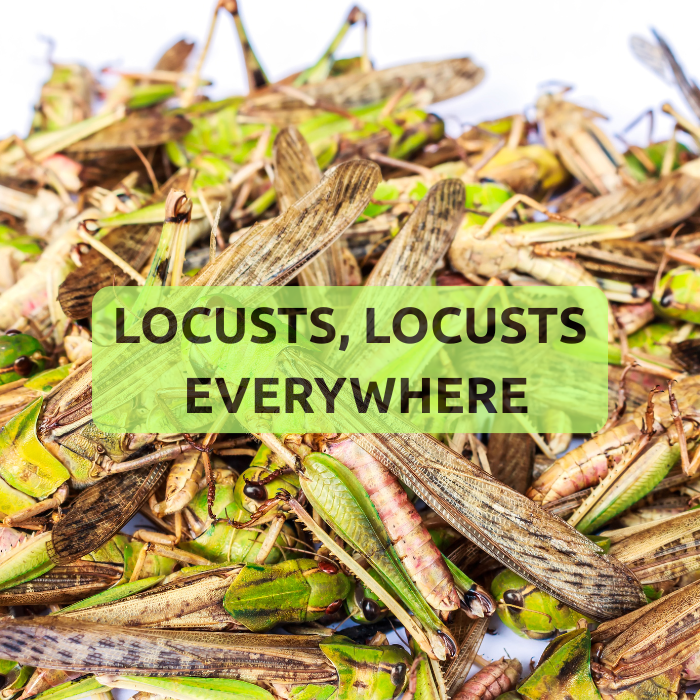
Bo means “enter.” Shemoth (Exodus) 10:1-13:16 Shemoth (Exodus) Chapter 10 The Eighth Plague: Locusts 1Then 𐤉𐤄𐤅𐤄 said to Moshe, “Go to Pharaoh, for I have hardened his heart and the hearts of his officials, that I may perform these miraculous signs of Mine among them, 2 and that you may tell your children and grandchildren how severely…
-
Parashah #16 B’shalach when he let go

B’shalach means “when he let go.” Shemoth (Exodus) 13:17-17:16 Shemoth (Exodus) Chapter 13 The Pillars of Cloud and Fire 17 When Pharaoh let the people go, Alahym did not lead them along the road through the land of the Philistines, though it was shorter. For Alahym said, “If the people face war, they might change their…
-
Parashah #17 Yitro – Jethro

Yitro means “his excellence.” Shemoth (Exodus) 18:1-20:26 Shemoth (Exodus) Chapter 18 The Visit of Yithro 1Now Moshe’s father-in-law Yithro, the priest of Miḏyan, heard about all that Alahym had done for Moshe and His people Yasharal, and how 𐤉𐤄𐤅𐤄 had brought Yasharal out of Mitsrayim. 2 After Moshe had sent back his wife Tsipporah, his father-in-law Yithro…
-
Parashah #18 Mishpatim – judgments
Mishpatim means “judgments.” Shemoth (Exodus) 21:1-24:18 Shemoth (Exodus) Chapter 21 Laws About Slaves (Deuteronomy 15:12–18) 1“These are the ordinances that you are to set before them: 2 If you buy a Hebrew servant, he is to serve you for six years. But in the seventh year, he shall go free without paying anything. 3 If he arrived…
Latest Posts
- Parashah #54 V’zot Ha’Bracha – And This the Blessing
 Deu 33:1-34:12; Jos 1:1-1:18(E); Jos 1:1-1:9(H); Rev 21:9-22:5
 - Parashah #53 Ha–azinu – Give Ear
 Deu 32:1-52; 2Sa 22:1-22:51; Rom 10:17-11:12; 12:19; 15:9-10
 - Parashah #52 Vayelech – And He Went
 Deu 31:1-30; Is 55:6-56:8; Rom 10:1-17