
-
Parashah #13 Sh’mot – names

Sh’mot means “names.” Shemoth (Exodus) 1:1-6:1 Shemoth (Exodus) Chapter 1 The Yasharalites Increase Greatly in Mitsrayim (Genesis 46:7–27)1These are the…
-
Parashah #14 Va’era – and I appeared

Va’era means “and I appeared.” Shemoth (Exodus) 6:2-9:35 Shemoth (Exodus) Chapter 6 Alahym Promises Deliverance 2 Alahym also told Moshe, “I…
-
Parashah #15 Bo – enter
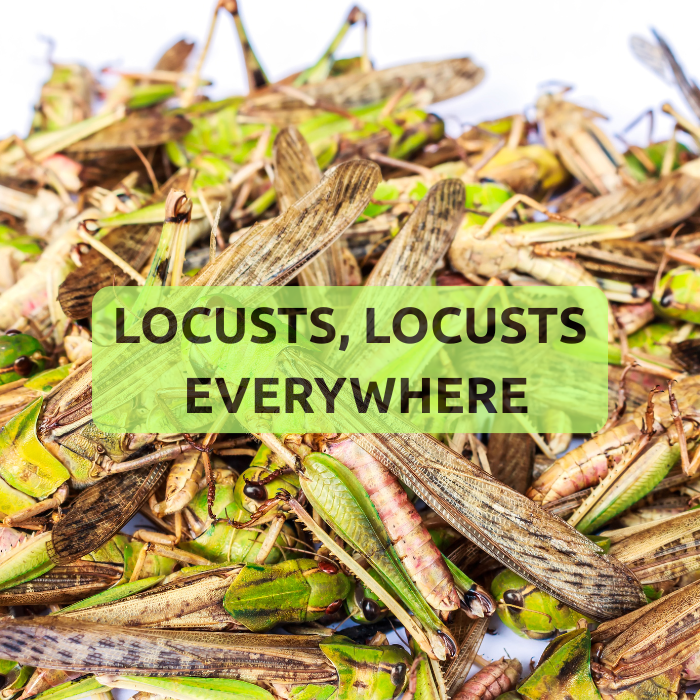
Bo means “enter.” Shemoth (Exodus) 10:1-13:16 Shemoth (Exodus) Chapter 10 The Eighth Plague: Locusts 1Then 𐤉𐤄𐤅𐤄 said to Moshe, “Go…
-
Parashah #16 B’shalach when he let go

B’shalach means “when he let go.” Shemoth (Exodus) 13:17-17:16 Shemoth (Exodus) Chapter 13 The Pillars of Cloud and Fire 17 When…
-
Parashah #17 Yitro – Jethro

Yitro means “his excellence.” Shemoth (Exodus) 18:1-20:26 Shemoth (Exodus) Chapter 18 The Visit of Yithro 1Now Moshe’s father-in-law Yithro, the priest…
-
Parashah #18 Mishpatim – judgments
Mishpatim means “judgments.” Shemoth (Exodus) 21:1-24:18 Shemoth (Exodus) Chapter 21 Laws About Slaves (Deuteronomy 15:12–18) 1“These are the ordinances that…
Latest Posts
- Parashah #54 V’zot Ha’Bracha – And This the Blessing
 Deu 33:1-34:12; Jos 1:1-1:18(E); Jos 1:1-1:9(H); Rev 21:9-22:5
 - Parashah #53 Ha–azinu – Give Ear
 Deu 32:1-52; 2Sa 22:1-22:51; Rom 10:17-11:12; 12:19; 15:9-10
 - Parashah #52 Vayelech – And He Went
 Deu 31:1-30; Is 55:6-56:8; Rom 10:1-17